
New Patient Resource: Understanding Hiatus Hernia Surgery
M
If you've been diagnosed with a hiatus hernia, you've probably searched online for answers. Unfortunately, the internet contains a great deal of conflicting information about hiatus hernias and anti-reflux surgery. It can be difficult to know what is accurate, what is outdated, and what applies to your individual situation.
To help patients better understand their condition and treatment options, we have developed a comprehensive, easy-to-read Hiatus Hernia Surgery Patient Information Handout.
Why We Created This Guide
One of the most common concerns we hear from patients is:
"I've heard the surgery is a major operation."
In reality, modern hiatus hernia surgery has changed significantly over the past two decades. For appropriately selected patients, surgery is usually performed using minimally invasive (keyhole) laparoscopic techniques, allowing smaller incisions, less pain, shorter hospital stays and faster recovery than traditional open surgery. Treatment is tailored to each patient's anatomy and symptoms rather than using a one-size-fits-all approach.
Many patients also believe they simply have to "live with" reflux or remain on medication forever. While medications such as proton pump inhibitors (PPIs) are highly effective for many people, they are not the right solution for everyone. Patients with persistent reflux despite medication, large or symptomatic hiatus hernias, regurgitation, or those wishing to avoid lifelong medication may benefit from a surgical assessment.
What You'll Learn
Our patient handout explains:
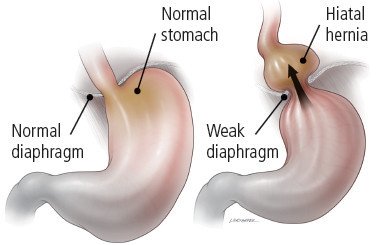
What a hiatus hernia is
Why hiatus hernias can cause reflux
When surgery may be considered
What happens during laparoscopic hiatus hernia repair
The different types of fundoplication and why surgery is tailored to the individual
Recovery after surgery
The potential benefits and risks of treatment
Frequently asked questions patients commonly ask in the clinic
The guide has been written in plain language so that patients and their families can better understand their options before attending a specialist consultation.
Making Informed Decisions
Not everyone with a hiatus hernia requires surgery. In fact, many people can successfully manage their symptoms with lifestyle measures and medication. The decision to proceed with surgery depends on several factors, including the severity of symptoms, response to medical treatment, the size and type of hiatus hernia, and the results of investigations such as endoscopy, oesophageal manometry and reflux testing.
Our goal is not to encourage surgery for every patient, but to ensure that patients have access to accurate, balanced information so they can make informed decisions in partnership with their GP and specialist.
Download the Patient Handout
If you would like to learn more about hiatus hernia surgery, you can download our free patient information guide here:
Hiatus Hernia Surgery – Patient Information Handout
This resource is designed for patients, families and referring general practitioners, and can be read before or after a specialist consultation to help answer many common questions.
If you have ongoing reflux symptoms, difficulty swallowing, regurgitation, or have been diagnosed with a hiatus hernia, speak with your GP about whether a referral for specialist assessment may be appropriate.
The information provided on this website is of a general nature and should not be considered a substitute for individualised medical advice. It is essential to consult a qualified medical practitioner for personalised advice regarding your health, diagnosis, and management. The content on this site is for general informational purposes only and does not establish a doctor-patient relationship.
